The Criterion Collection: 10 Essential Titles Every Cinephile Should Own

Les 3 points à retenir
- 11. Seven Samurai (1954) — Spine #2
- 22. In the Mood for Love (2000) — Spine #147
- 33. Mulholland Dr. (2001) — Spine #779
Why Criterion Matters
For over four decades, The Criterion Collection has set the standard for home video presentation. Founded in 1984 by Robert Stein and Aleen Stein, the collection began with LaserDisc editions of Citizen Kane and King Kong — pioneering the concept of supplementary features and director commentaries that we now take for granted.
Their meticulous restorations, thoughtful supplementary features, and iconic packaging — that distinctive clear case with the spine number — have made them the gold standard for cinephiles who believe physical media is worth preserving. Each spine number represents a curatorial judgment: this film matters, and here is the definitive way to experience it at home.
What distinguishes Criterion from other boutique labels is their editorial vision. They don't simply release popular classics — they make arguments for films that deserve wider recognition. A Criterion release is both a product and a statement: a case for why a particular film is essential to the history of cinema.
The Essential 10
1. Seven Samurai (1954) — Spine #2
Akira Kurosawa's masterpiece remains as thrilling today as it was seven decades ago. At 207 minutes, it's one of cinema's great endurance tests — but not because it's difficult. The film is so rich in character, action, and visual storytelling that the runtime flies by. The final battle in the rain is among the greatest sequences ever filmed.
Criterion's 4K restoration is breathtaking. Every raindrop in that climactic battle is crystal clear, and the depth of the black-and-white photography is revelatory. The supplementary features include a two-hour documentary on Kurosawa, multiple audio commentaries, and a booklet with essays by film scholars. This is the disc that justifies owning a physical media collection.
2. In the Mood for Love (2000) — Spine #147
Wong Kar-wai's achingly beautiful romance — about two neighbors who discover their spouses are having an affair and slowly fall into an unspoken love of their own — has never looked better than in this restoration supervised by the director himself.
The lush color palette — deep reds, shadowy greens, golden lamplight — is given full justice in the 4K master. Christopher Doyle and Mark Lee Ping-bing's cinematography, with its slow-motion passages through narrow corridors and rain-soaked streets, looks painterly in its precision. The supplements include Wong Kar-wai's companion short films and a feature-length documentary on the Hong Kong film industry. Nat King Cole's Spanish-language songs have never sounded so achingly beautiful.
3. Mulholland Dr. (2001) — Spine #779
David Lynch's puzzle-box masterpiece gets the definitive treatment. Originally conceived as a television pilot, the film was reworked into a feature after ABC passed — and the result is one of the most endlessly analyzed and debated films in cinema history.
The restoration preserves Peter Deming's rich, velvety cinematography — the nocturnal Los Angeles has never looked so seductive or so menacing. The supplements include a lengthy making-of documentary that carefully avoids "explaining" the film (this is Lynch, after all), along with interviews and archival materials. Whether you read it as a dream narrative, a Hollywood critique, or a metaphysical puzzle, the disc presents the film in its ideal form.
4. Paris, Texas (1984) — Spine #634
Wim Wenders' American odyssey is a photographer's dream. Shot by Robby Müller in the vast landscapes of the American Southwest, the film tells the story of Travis Henderson (Harry Dean Stanton), who emerges from the desert after four years of self-imposed exile and slowly reconnects with his young son and estranged brother.
The Texas landscapes are rendered in stunning detail in the restoration — the dusty pinks, burnt oranges, and endless blue skies feel almost physically present. Ry Cooder's slide guitar score has never sounded so lonesome. The supplements include Wenders' own reflections on the film and a documentary about the real Texas locations. Stanton's monologue in the peep-show booth remains one of cinema's most devastating moments.
5. Stalker (1979) — Spine #888
Andrei Tarkovsky's philosophical science fiction film demands patience but rewards it tenfold. Set in a mysterious, prohibited Zone where the laws of physics don't apply, the film follows a guide — the Stalker — as he leads two men toward a room said to fulfill one's deepest desire.
The restoration transforms the deliberately muted cinematography into something transcendent. The famous transition from sepia to color, marking the entry into the Zone, is rendered with breathtaking subtlety. The supplements include an extensive documentary on Tarkovsky's working methods and a booklet featuring the complete text of the Strugatsky brothers' source novel, Roadside Picnic. This is not a film you watch — it's a film you inhabit.
6. Do the Right Thing (1989) — Spine #97
Spike Lee's incendiary masterpiece about racial tension on the hottest day of the year in Brooklyn's Bedford-Stuyvesant neighborhood is essential American cinema — as urgent today as it was in 1989. The film's genius lies in its refusal to reduce systemic racism to simple narratives of good and evil; every character has a perspective, and the film honors each one while making its own passionate argument.
The 4K UHD presentation captures Ernest Dickerson's sun-baked Brooklyn with vivid intensity — the reds, oranges, and yellows practically radiate heat from the screen. The supplements are among Criterion's most extensive, including multiple commentaries, making-of documentaries, and a collection of Lee's production diaries and journals.
7. The 400 Blows (1959) — Spine #5
François Truffaut's autobiographical debut launched the French New Wave and changed cinema forever. The story of Antoine Doinel (Jean-Pierre Léaud), a troubled Parisian schoolboy who drifts into petty crime, is told with an immediacy and emotional honesty that still feels startlingly modern.
The crisp black-and-white photography looks timeless on disc. Henri Decaë's handheld camera work — revolutionary at the time — gives the film a documentary vitality that established the visual vocabulary of independent cinema. The famous freeze-frame ending, one of the most analyzed images in film history, has never looked sharper. Supplements include the complete Antoine Doinel cycle and Truffaut's own writings about the film.
8. Parasite (2019) — Spine #1041
Bong Joon-ho's Palme d'Or and Best Picture winner was a landmark for Korean cinema and a turning point for international film in the English-speaking world. The story of a poor family infiltrating a wealthy household is a masterclass in tonal control — seamlessly blending social satire, thriller, dark comedy, and genuine tragedy.
Criterion's edition includes extensive behind-the-scenes material revealing the precision of Bong's craft — including the revelation that the entire Park family house was built as a single, interconnected set. The storyboards, which Bong draws himself, are works of art in their own right. The black-and-white version of the film, supervised by Bong, offers a fascinating alternative viewing experience.
9. Days of Heaven (1978) — Spine #409
Terrence Malick's pastoral drama features some of the most beautiful cinematography ever committed to film. Shot largely during magic hour by Nestor Almendros (with additional photography by Haskell Wexler), the film glows with a light that feels almost sacred. The Texas Panhandle wheat fields, the locusts, the fire — each image is composed with the precision of a Renaissance painting.
The restoration is reference-quality material. Almendros's magic-hour photography, which won him the Oscar, is presented with a warmth and depth that streaming compression cannot begin to replicate. Ennio Morricone's delicate score is served beautifully by the lossless audio track. The supplements include a lengthy appreciation by Malick scholar Adrian Martin and an interview with Wexler about the legendary production challenges.
10. Portrait of a Lady on Fire (2019) — Spine #1089
Céline Sciamma's period romance is a masterclass in restrained storytelling and the art of the gaze. Set in 18th-century Brittany, the film tells the story of a painter commissioned to create a portrait of a young noblewoman — and the forbidden love that develops between them.
Claire Mathon's compositions are painterly in their precision, and the disc preserves every subtle detail — the candlelight, the texture of fabric, the shifting expressions that constitute the film's emotional language. The restoration is impeccable, and the supplements include Sciamma's thoughtful commentary on the film's visual design and feminist themes. The Vivaldi sequence is one of the most stunning scenes in 21st-century cinema.
Starting Your Collection: Practical Tips
Criterion regularly holds sales — their bi-annual Barnes & Noble 50% off promotion (typically in July and November) is the best time to build your library. Flash sales on the Criterion website can reduce prices to as low as $14.99 for Blu-rays.
For newcomers, we recommend starting with three to five titles that match your existing taste, then branching out. The beauty of Criterion is that it introduces you to films you'd never have found otherwise — but the gateway should be something you already know you'll love.
Sign up for their newsletter to stay informed about new releases, limited editions, and sales. The Criterion Channel streaming service is also an excellent way to explore before you buy — think of it as a try-before-you-collect experience.
The Future of Criterion
With their expanding 4K UHD lineup (which has grown from a handful of titles to over 100 in just a few years) and new partnerships with streaming services, Criterion continues to prove that curation matters. In an age of algorithmic recommendation and infinite scroll, their human-selected catalog remains the most reliable guide to great cinema.
Recent announcements suggest an ambitious 2026 slate, with rumors of 4K upgrades for several long-requested titles including Fanny and Alexander, The Tree of Life, and Yi Yi. If even half the rumors prove true, it will be one of Criterion's strongest years ever.
The message is clear: in a world drowning in content, the value of someone saying "this is worth your time" has never been higher. That's what Criterion does, one spine number at a time.

À propos de l'auteur
Sophie Laurent
Experte high-tech & audio
Ingénieure de formation, Sophie décrypte les technologies audio et vidéo pour vous aider à choisir le meilleur équipement selon votre budget.
You Might Also Like

The 25 Best Films of 2025: Our Definitive List
From blockbusters to arthouse gems, these are the 25 films that defined 2025 — and deserve a permanent spot in your collection.
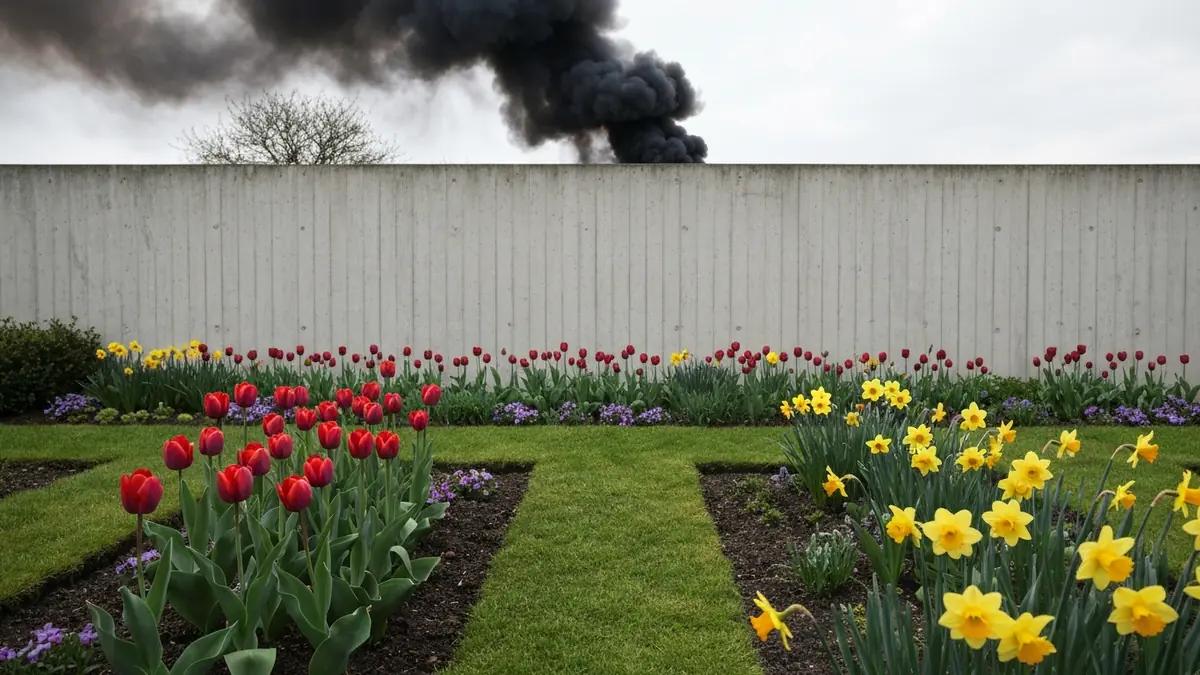
The Zone of Interest: A Haunting Achievement
Jonathan Glazer crafts one of the most disturbing and innovative films in recent memory — a masterpiece of restraint that redefines how cinema depicts atrocity.